Source Tow Truck for Rescue, Transport, and Lifting
Compare 30 new tow trucks from Chinese manufacturers with diesel engines, manual transmissions, and varying towing capacities. Buyers can evaluate specifications like axle count, cabin type, and customization options for rescue, transport, and lifting applications; compare the available evidence and request quotations based on your requirements.
Key considerations
Products List


$6800.00 - $15300.00
Moq: 1






Comprehensive Sourcing Guide
Tow Truck Sourcing Guide
Sourcing a tow truck requires careful alignment of vehicle specifications with operational demands, particularly given the wide variance in available configurations. The market offers models ranging from light-duty units with a 5-ton towing capacity to heavy-duty wreckers capable of handling 50-ton loads. Buyers must first define their primary use case, whether it involves urban roadside assistance, highway accident recovery, or industrial equipment transport. This initial classification dictates the necessary chassis strength, engine power, and hydraulic system capabilities.
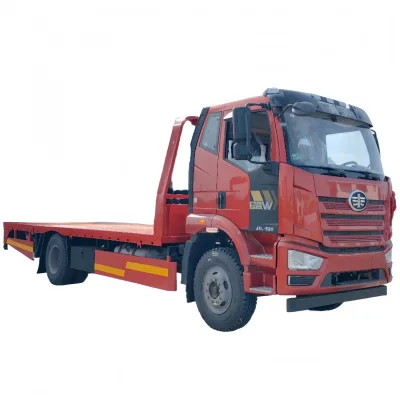
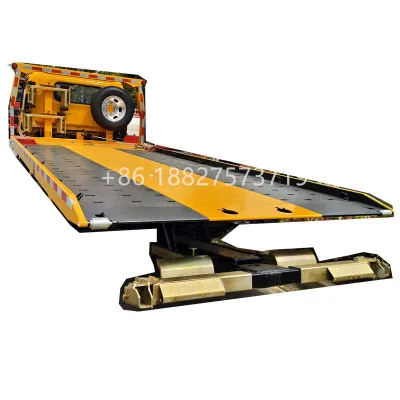
The observed product landscape includes diverse options such as flat cabin designs and specialized wrecker configurations, often sourced from major manufacturers like SINOTRUK. These vehicles are typically equipped with manual transmissions and diesel engines ranging from 140HP to 200HP, ensuring robust performance for heavy lifting tasks. Understanding the distinction between a standard tow truck and a specialized wrecker is crucial, as the latter often features integrated lifting and hoisting functions. This differentiation ensures that the procurement team selects a vehicle that matches the specific mechanical requirements of their fleet operations.
Product Scope and Observed Listing Signals
The current market presents a broad spectrum of tow trucks with varying dimensions and weights, reflecting their specialized roles. Listings indicate models with curb weights ranging from approximately 3,110 kg to over 12,550 kg, supporting gross vehicle weights up to 23,000 kg. These variations are critical for buyers assessing payload capacity and regulatory compliance. The observed price range spans from $6,800 to $155,000, highlighting the significant cost differences between light-duty recovery vehicles and heavy-duty industrial wreckers. This wide financial spread necessitates a clear budget definition before engaging with suppliers.
Physical specifications also vary significantly, with dimensions extending up to 11,050 mm in length and widths around 2,550 mm. Wheelbases are available in multiple configurations, including 3,460 mm and 5,200 mm options, to suit different chassis models and operational terrains. The presence of customizable exterior colors and platform sizes, such as 5.5m to 7m, allows for tailored solutions. Buyers should note that many listings offer OEM services and customization options, enabling companies to brand vehicles for specific corporate identities or operational needs.
Technical Specifications to Verify
Verifying the chassis model and engine specifications is paramount to ensuring long-term reliability and performance. Common chassis models like the Bj1148vjjed-FM1 provide a foundation for various superstructures, but buyers must confirm compatibility with desired towing mechanisms. The engine horsepower range of 140HP to 200HP is typical, yet the exact output must match the vehicle's gross weight and intended towing tonnage. Additionally, the transmission type is predominantly manual, which requires operators to have specific driving skills. Confirming the axle configuration, typically a 2-axle setup, ensures the vehicle meets stability requirements for heavy loads.
Hydraulic and mechanical systems are critical components that define the vehicle's operational efficiency. Buyers should verify whether the ladder mechanism is mechanical or hydraulic, as this impacts maintenance costs and operational speed. The bearing capacity, described as light, medium, or powered mechanical, directly correlates with the vehicle's ability to handle specific recovery tasks. Furthermore, the number of tires, often six, affects load distribution and road safety. Ensuring that the steering is left-hand drive and that the cabin design supports operator comfort is essential for daily usability and driver retention.
Compliance and Safety Documentation
Compliance with international and regional standards is non-negotiable for importing and operating tow trucks globally. Many suppliers provide certifications such as ISO, CCC, CE, and RoHS, which indicate adherence to quality and environmental standards. However, buyers must verify if these certifications are valid for their specific destination country, as local regulations may require additional approvals. The emission standard, often listed as Euro, must be confirmed to ensure the vehicle meets local environmental laws. Failure to align with these standards can result in customs delays or operational bans.
Safety documentation should include detailed manuals for the hydraulic and lifting systems, as well as maintenance schedules for the diesel engine. Buyers should request test reports or inspection certificates that verify the structural integrity of the wrecker's boom and platform. The product standard dimensions, such as 636019602680mm or 5950×2350×2760, must be cross-referenced with local road width and height restrictions. Ensuring that the vehicle's gross vehicle weight is accurately declared on all documentation prevents legal issues during registration and insurance processes.
Cost Drivers and Commercial Terms
The final cost of a tow truck is influenced by several factors, including the chassis brand, engine specifications, and the complexity of the towing mechanism. Heavy-duty wreckers with 50-ton capacity and advanced hydraulic systems command higher prices compared to light-duty models. The observed MOQ of 1 suggests flexibility for single-unit purchases, but bulk orders may offer better pricing. Buyers should also consider the packing method, whether nude, bulk, or containerized, as this affects shipping costs and insurance premiums. Understanding these variables helps in creating an accurate total cost of ownership model.
Commercial terms such as payment methods, warranty periods, and after-sales support are critical components of the procurement agreement. Buyers should negotiate clear terms for spare parts availability, particularly for high-wear items like hydraulic hoses and tires. The customization options, including color and platform size, may incur additional costs and extend lead times. It is advisable to clarify who bears the responsibility for installation and commissioning, especially for complex wrecker configurations. Transparent communication regarding these terms prevents unexpected expenses and ensures a smooth handover process.
Supplier Qualification and Quality Control
Selecting a qualified supplier involves verifying their manufacturing capabilities and quality control processes. Suppliers from regions like Hubei, China, often have established production lines for commercial vehicles, but buyers should request factory audits or third-party inspection reports. The presence of OEM capabilities indicates that the supplier can produce vehicles to specific technical requirements. Buyers should also assess the supplier's experience in exporting tow trucks, as this reflects their understanding of international logistics and compliance requirements.
Quality control should extend beyond the final product to include raw material verification and assembly process monitoring. Buyers should insist on pre-shipment inspections to verify that the vehicle matches the agreed specifications, including dimensions, weight, and functional tests. Checking the condition of the vehicle, whether new or refurbished, is essential to avoid hidden defects. Establishing a clear communication channel with the supplier for technical support and issue resolution is vital for maintaining operational continuity and addressing any post-delivery concerns promptly.
Long-Term Procurement Checks
Long-term success in tow truck procurement depends on establishing a robust maintenance and support framework. Buyers should evaluate the availability of local service centers and the supplier's willingness to provide technical training for maintenance staff. The durability of the diesel engine and hydraulic systems is crucial for minimizing downtime and repair costs. Regular inspections of the lifting mechanism and chassis integrity should be scheduled to prevent catastrophic failures during heavy recovery operations. Building a relationship with the supplier for future upgrades or fleet expansions ensures consistency in vehicle performance and parts compatibility.
Monitoring market trends and technological advancements in tow truck design can provide competitive advantages. Buyers should stay informed about new emission standards and safety regulations that may impact future purchases. Evaluating the total cost of ownership, including fuel consumption, insurance, and depreciation, helps in making informed decisions about fleet replacement cycles. Engaging with industry forums and user groups can provide valuable insights into real-world performance and reliability issues. This proactive approach ensures that the procurement strategy remains aligned with operational goals and regulatory changes.
FAQs
What certifications do these tow trucks have?
These tow trucks hold ISO, CCC, CE, RoHS, and EEC certifications. Some models also feature ISOCCC and TSEPA compliance. These credentials ensure adherence to international quality and safety standards for reliable operation in various global markets.
What is the towing capacity range available?
The available towing tonnage ranges from 5T to 50T. This variety allows buyers to select a vehicle that matches specific rescue or transport needs. Options include light and medium bearing capacities to suit different operational requirements.
Can the exterior color be customized?
Yes, exterior color customization is available for these tow trucks. Buyers can specify their preferred colors to match fleet branding or operational visibility needs. This flexibility ensures the vehicles meet specific corporate or regional aesthetic requirements.
What engine horsepower options are offered?
The tow trucks offer engine horsepower between 140HP and 200HP. Powered by diesel fuel, these engines provide robust performance for heavy-duty towing and rescue tasks. This range ensures sufficient power for various load conditions and terrains.
What are the standard dimensions for these vehicles?
Standard dimensions vary, with some models measuring 5950×2350×2760mm and others 6360*1960*2680mm. Larger platforms can be customized to 5.5m, 6m, or 7m. These sizes accommodate different chassis models and operational space requirements effectively.
Are these tow trucks new condition vehicles?
Yes, all listed tow trucks are in new condition. They are manufactured with modern features and ready for immediate deployment. This ensures buyers receive vehicles with full warranty coverage and optimal performance from the start of their service life.